7 Riverview Drive, Guelph, Ontario, N1E 3R6,
Canada
Mon: 10:00am - 7:00 pm
Tu/W: 8:00am - 5:00 pm
Thur: 9:00am - 4:00 pm
Fri - Sat 9:00 am - 3:00 pm (alternating)

Month by Month Invisalign transformation: repositioning an overlapping front tooth and rebalancing the bite - Before and After.
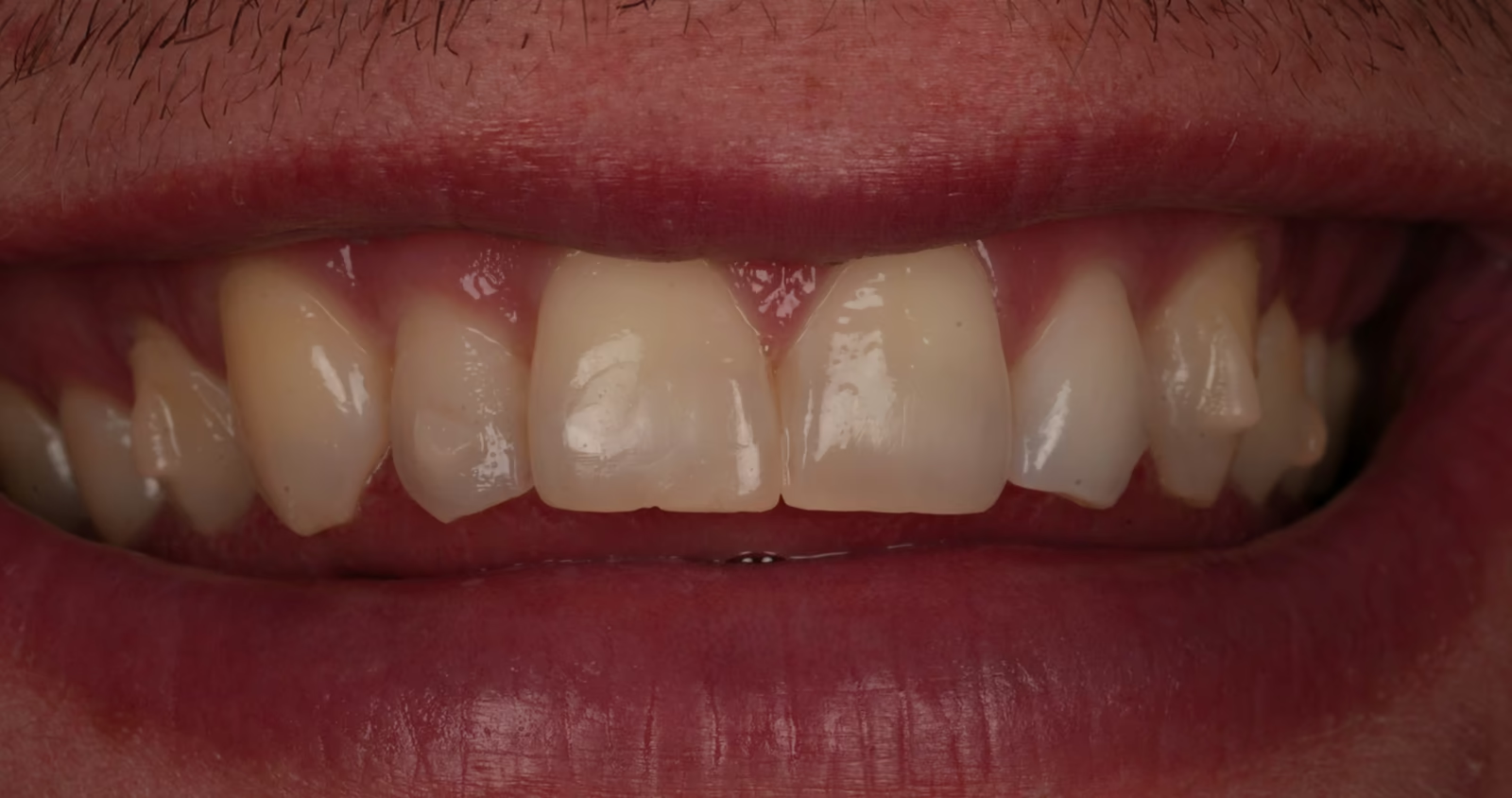
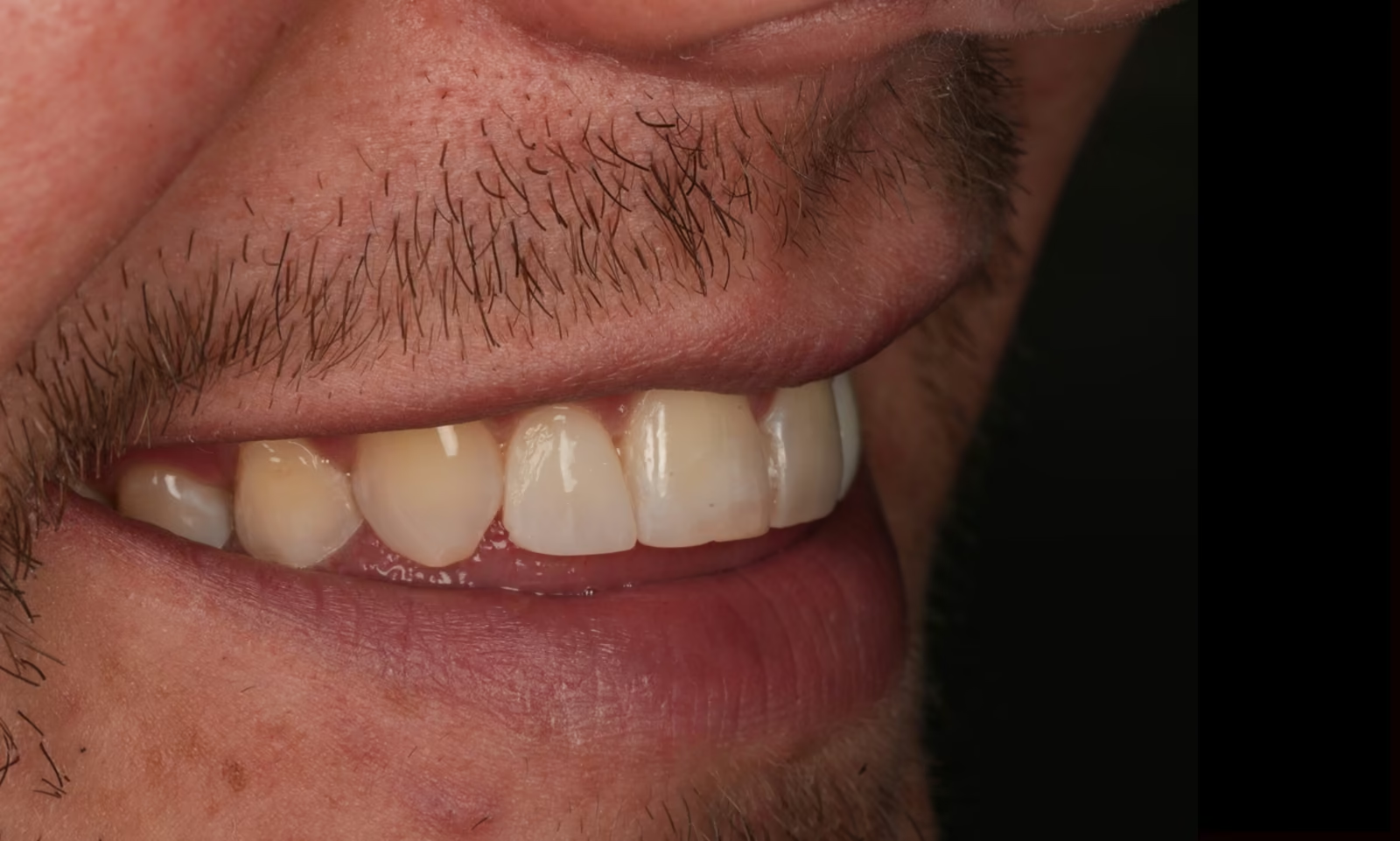
This patients maxillary lateral incisors (smaller front teeth) had fractured and was tipped inwards (toward the palate). It had been repaired multiple times and was recommended a crown or filling initially. However, this approach is more like treating the symptom than the cause.
His primary goal is to stop the tooth from breaking in a conservative manner, with minimal tooth removal.
There was also an orthodontic history: years earlier the patient had started treatment with a mail-order aligner company that later ceased operating, leaving him partway through with no follow-up and no retainers. The movement he had achieved drifted back.
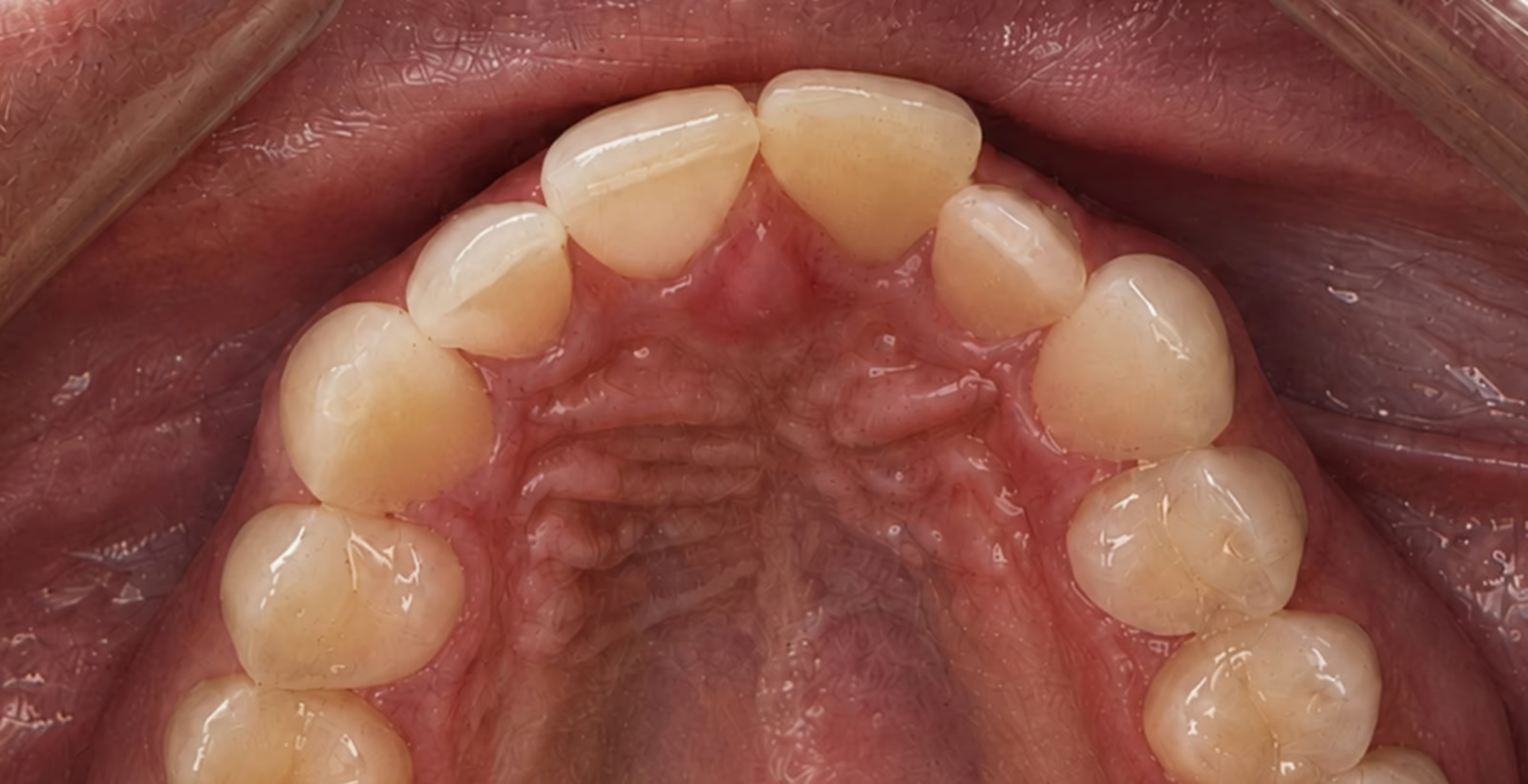
The options were to leave it, to repair or crown the tooth again, or to move the tooth into position first and then decide what restoration it still needed.
Repositioning first was recommended for one reason: a restoration placed on a tooth that is still catching the bite tends to fail the same way the tooth did. Assessment showed the malpositioned tooth was taking interference when the jaw slid sideways. Aligning it and balancing the bite meant a future repair would be protected — and made it likely that a crown would not be needed at all.
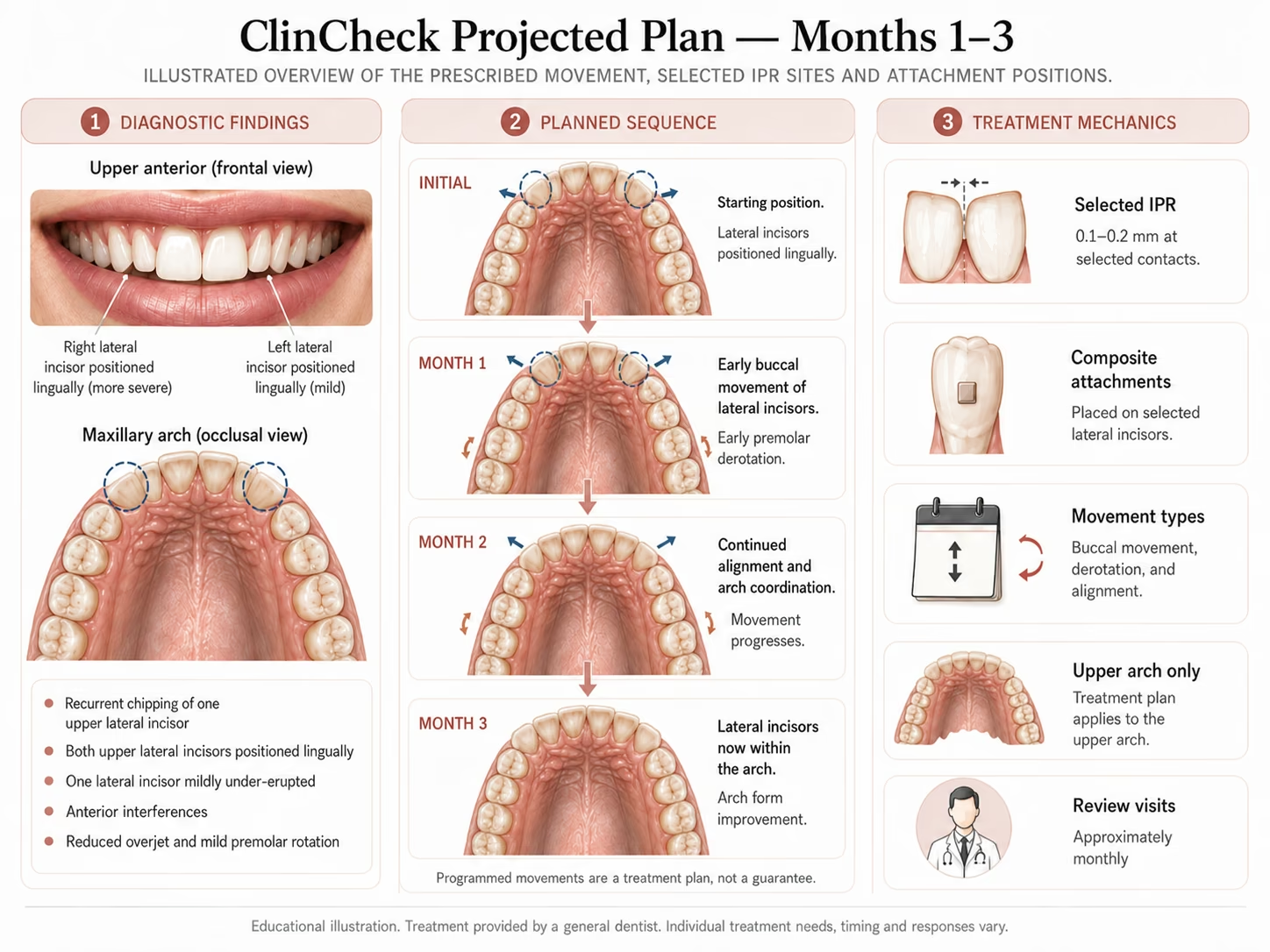
A digital scan and a three-dimensional plan were completed, then reviewed and modified before trays were ordered.
A small amount of enamel — 0.1 to 0.2 mm at a few contact points — was removed to create space for the tooth to move, and tooth-coloured composite attachments were bonded to the lateral incisors to give the trays something to grip. Neither step required drilling into the tooth. As you can see in the image below, there is no visible spacing after inter proximal reduction. Just 0.1 to 0.2mm is sufficient to create space for tooth movement.
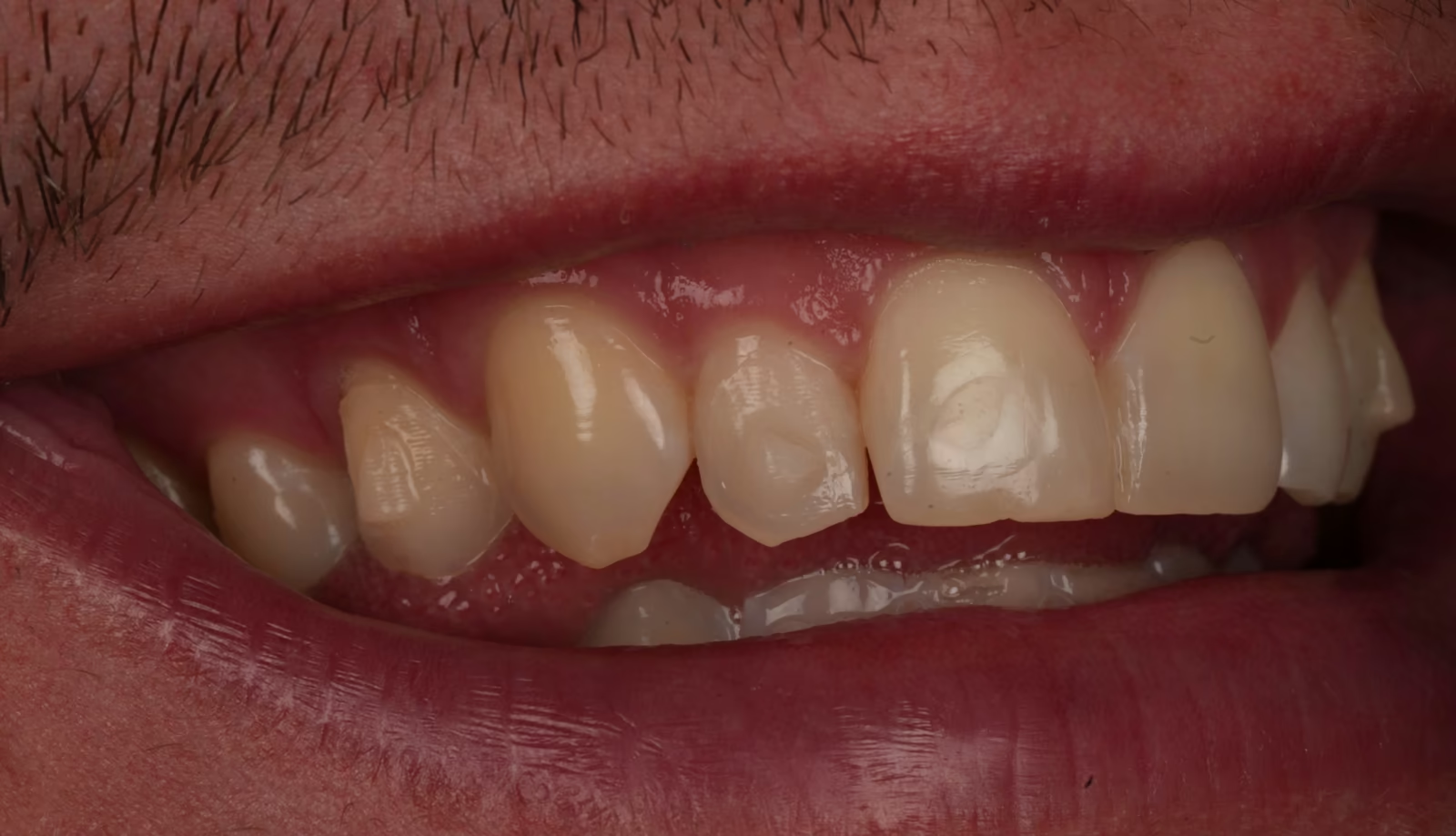
Trays were worn about 22 hours a day and changed weekly, with a review roughly monthly to confirm the trays were seating fully, the attachments were intact and the gums were healthy.
Each month movement of the dentition was observed and by 2 months a the lateral incisors had completed a considerable degree of movement. An additional 1-2 months is required for complete, slow and gradual movement. Additionally, the premolars are also being rotated and the arch aligned.
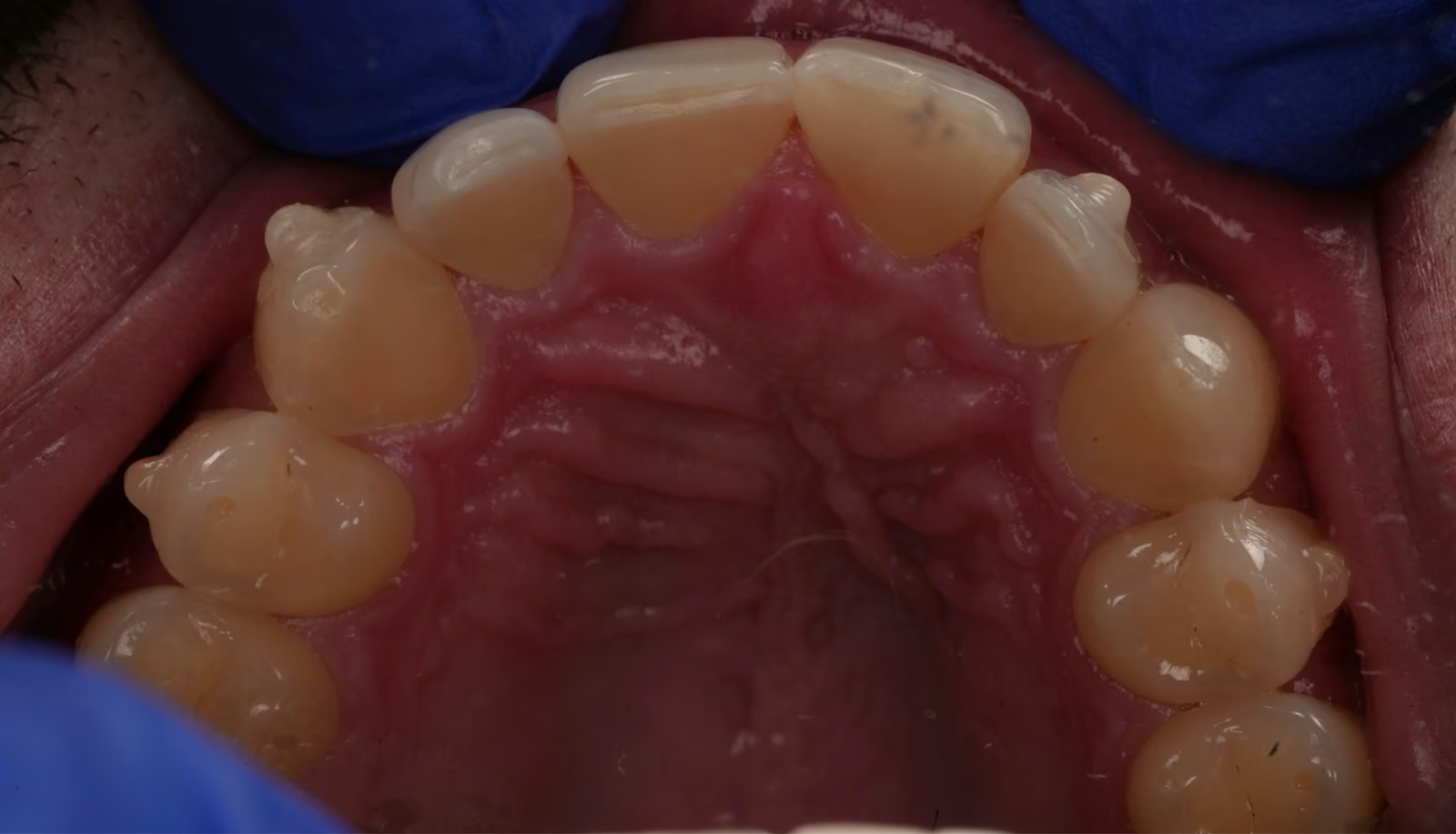
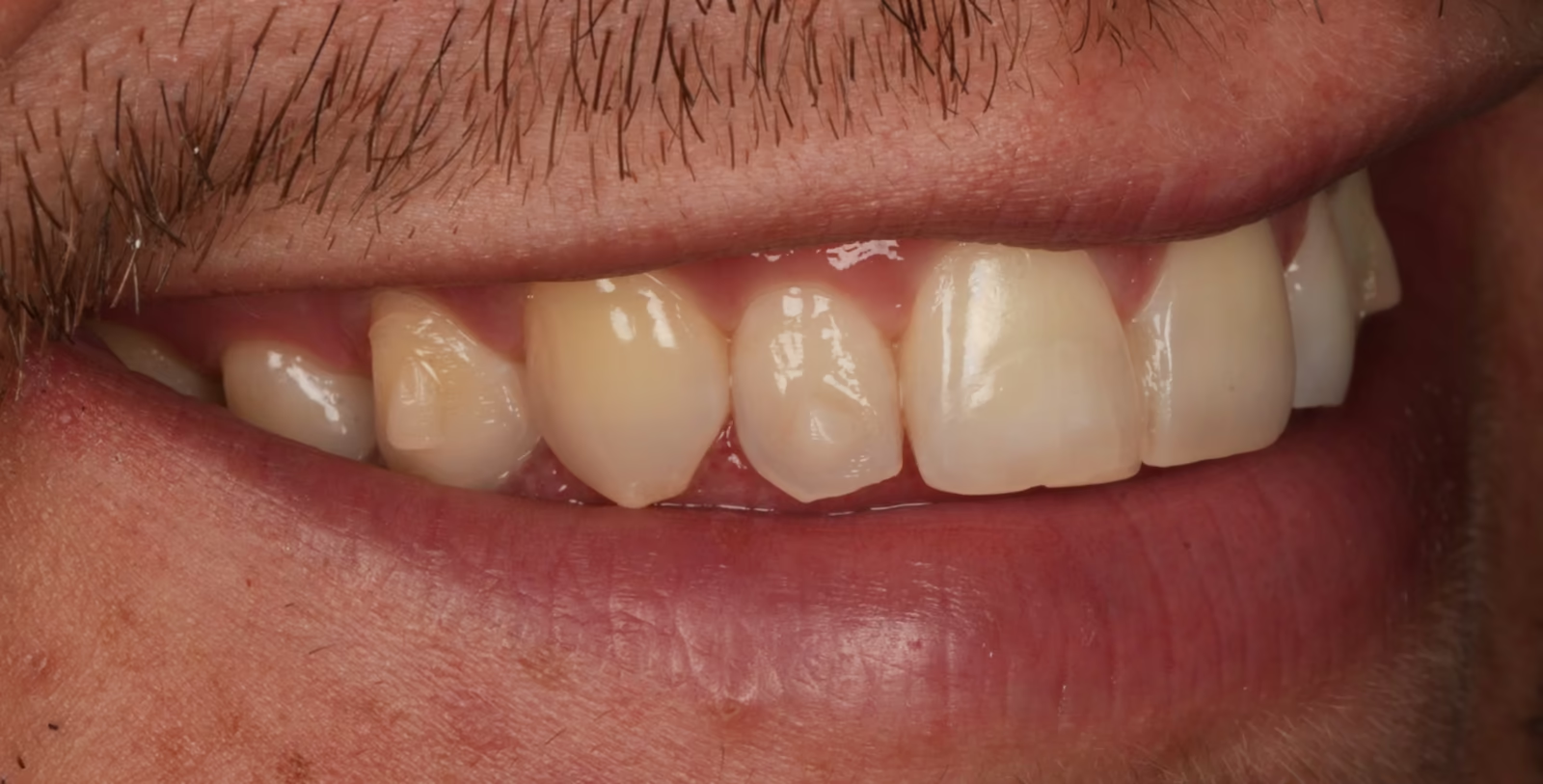
At re-evaluation the lateral incisors sat within the arch and the bite checked clear of interferences on the repositioned tooth. The attachments were removed and polished off, the chipped edge was smoothed and repaired, and a leaking older filling on a central incisor was repaired at the same time.
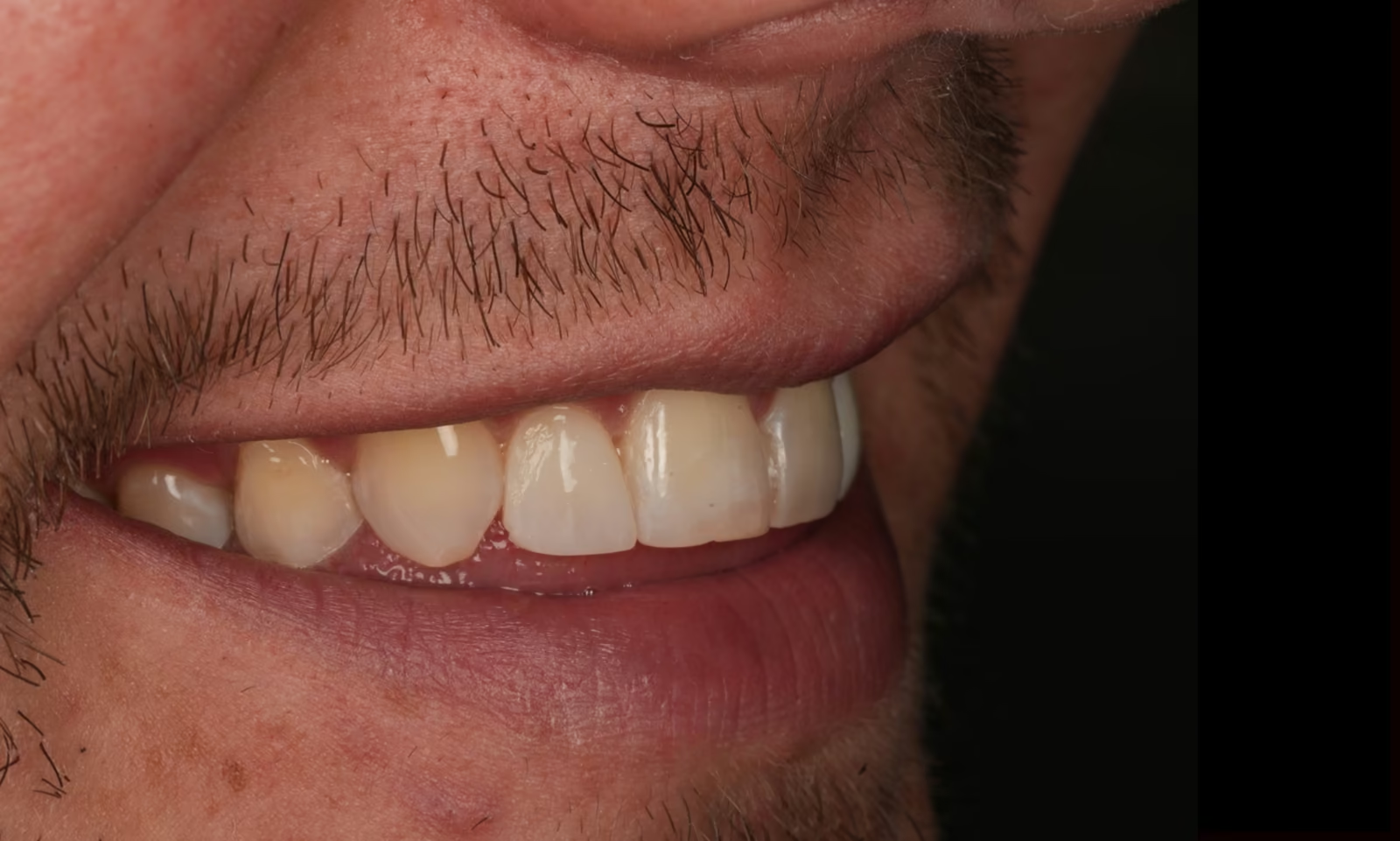
Because the interference had been eliminated, the chipped tooth was finished conservatively — polishing and a small repair rather than a crown.
For more information on our cosmetic anterior tooth repair protocol - refer to our composite blog post.
A removable retainer was provided, worn full time for three months and nightly after that. Retention is not optional: this patient had already seen what happens without it.
Individual results vary; what is achievable depends on your teeth, your bite and your goals. Clear aligners suit mild-to-moderate cases; complex orthodontic problems may be better treated by an orthodontist, and we will say so when we think that is the case. This case is meant to document a case showcasing Invisalign treatment and is not meant to act as individual dental or medical advice. A dentist or doctor should be consulted for any medical or dental advice.
Sunny Dental Centre is a general dental practice. Dr. Mandip Puri, DDS, is registered with the Royal College of Dental Surgeons of Ontario as a general practitioner, not a specialist.
Did it hurt?
Some tenderness with each new tray is normal. Studies comparing aligners with braces find the first few days more comfortable with aligners, with the difference fading afterwards. Over-the-counter pain relief was advised for the first day or two.
What are the bumps on the teeth?
Composite attachments — small temporary bumps of tooth-coloured filling material that act as handles so the trays can grip and rotate the tooth. They are removed and then polished off at the end. This is traditionally done without anesthesia.
Was the lower arch treated too?
No. Treatment was limited to the upper arch, where the problem was. Single-arch treatment is a deliberate decision rather than a shortcut, and both arches are assessed first because moving one changes how the teeth meet.
Do I need to pay extra for the final retainer?
No. Invisalign cases at Sunny Dental Centre do not charge extra for retention retainers. We create custom fabricated Vivera Retainers, of which you receive multiple sets and this is included in the cost of Invisalign treatment. We provide all inclusive pricing.
Can may insurance cover this?
Possibly. Insurance coverage is individual specific and policy specific. Some individuals may have orthodontic coverage for which insurance may contribute towards orthodontic treatment.
How much did this cost?
Cost depends heavily on the timeline, complexity and is case specific. This case cost approximately $3000 for Invisalign treatment and Vivera retainers.
For more details please refer to the Invisalign blog post which recapitulates this case in much more detail
Individual results vary. This case illustrates work completed at Sunny Dental Centre and is shared with written patient consent. What is achievable in your own case depends on your teeth, your bite and your goals. Sunny Dental Centre is a general dental practice; Dr. Mandip Puri, DDS, is registered with the Royal College of Dental Surgeons of Ontario as a general practitioner, not a specialist.
Every case is different. Book a consultation and we will tell you what is realistic for your teeth.
7 Riverview Drive, Guelph, Ontario, N1E 3R6,
Canada
Mon: 10:00am - 7:00 pm
Tu/W: 8:00am - 5:00 pm
Thur: 9:00am - 4:00 pm
Fri - Sat 9:00 am - 3:00 pm (alternating)