7 Riverview Drive, Guelph, Ontario, N1E 3R6,
Canada
Mon: 10:00am - 7:00 pm
Tu/W: 8:00am - 5:00 pm
Thur: 9:00am - 4:00 pm
Fri - Sat 9:00 am - 3:00 pm (alternating)

Single-visit composite bonding to close a front tooth gap with minimal to no tooth removal
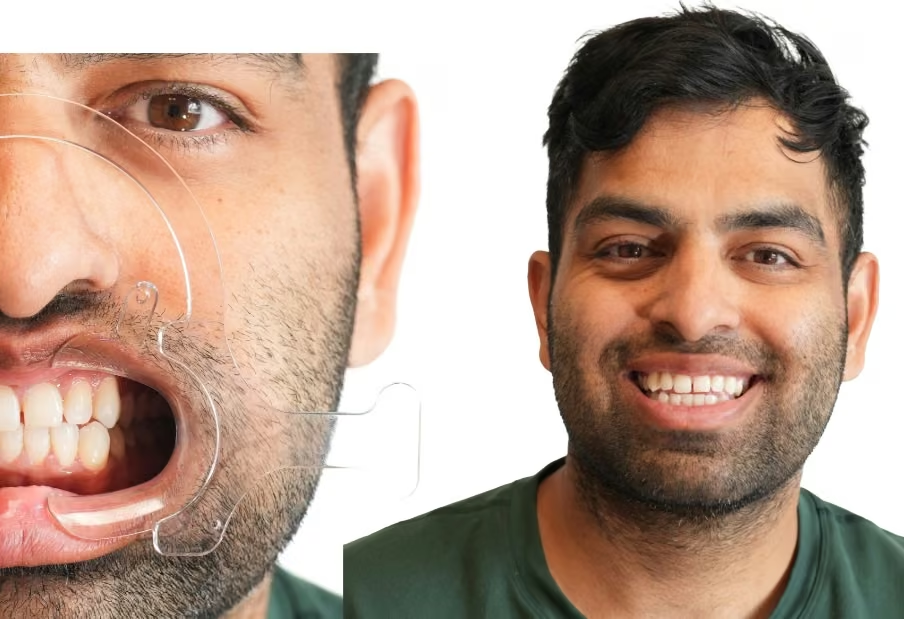
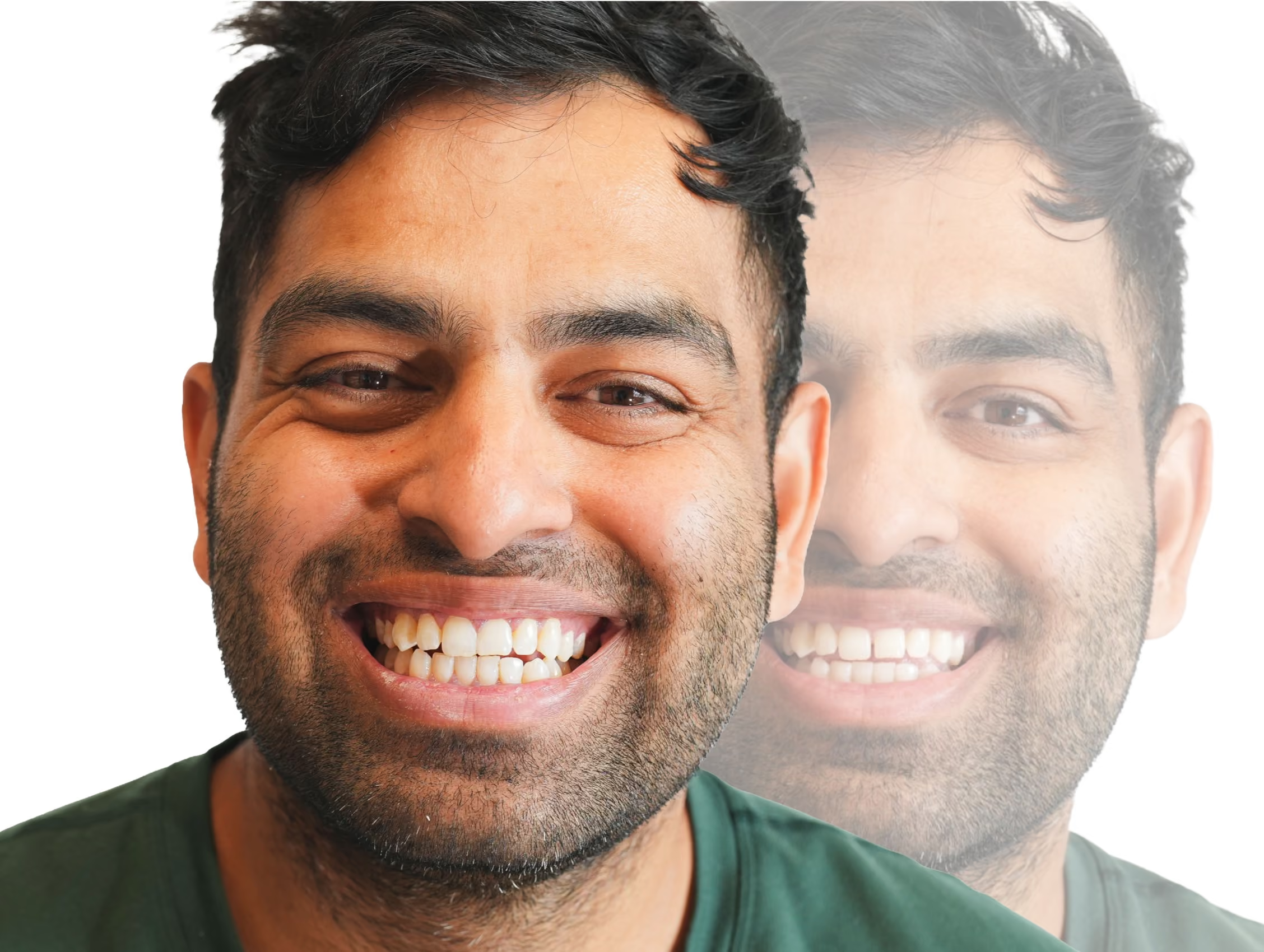
A space between the two upper front teeth — a diastema. Beyond its appearance, the gap was trapping food and irritating the gum tissue between the teeth.
The patient wanted the space closed without braces, and asked that certain natural irregularities in his smile be kept rather than corrected, so the result would look natural.
Three options were realistic: orthodontics to move the teeth together, veneers or crowns, or composite bonding added directly to the teeth.
The gap was measured first, because size decides what is possible. Spaces of roughly 2.5 to 3 mm or more usually cannot be closed by widening two teeth alone without the result looking unnatural, and would call for altering adjacent teeth, increasing length or moving them orthodontically. This gap was within the range bonding could close while keeping natural proportions.
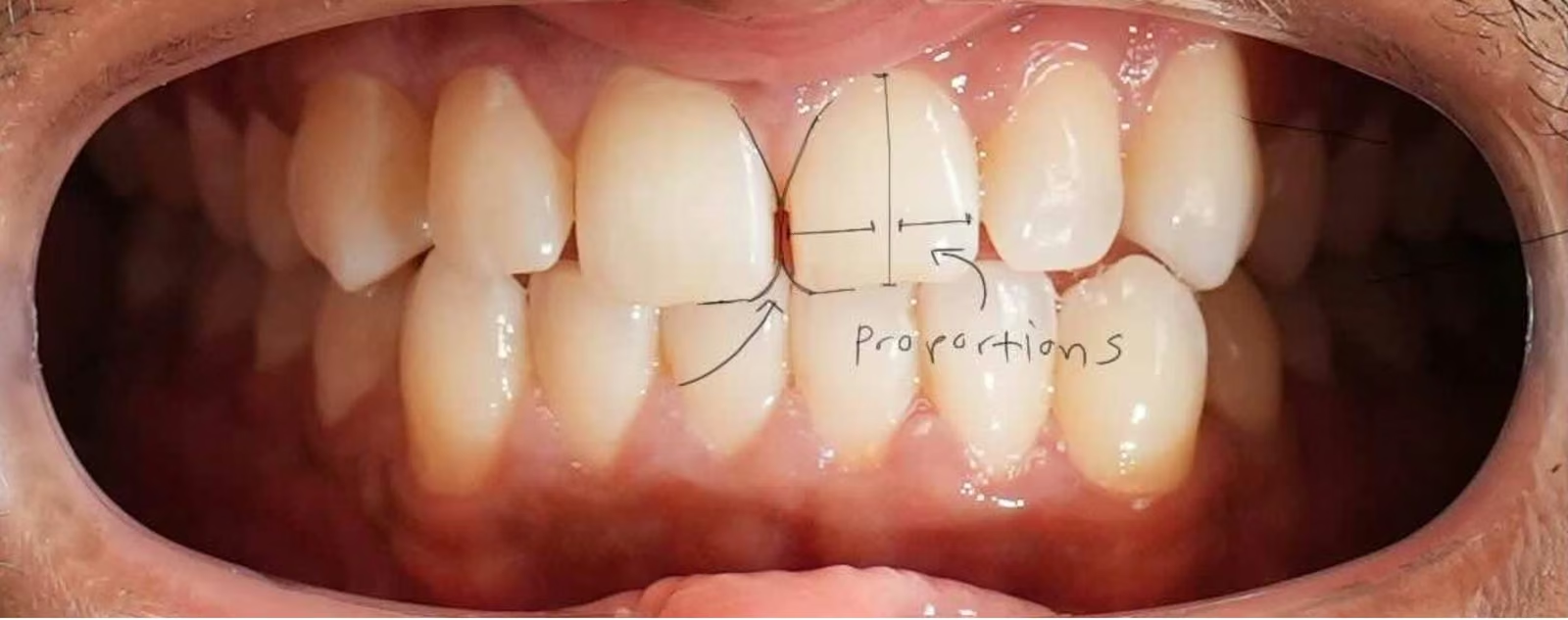
Bonding was chosen because it is additive. Veneers and crowns would both have required removing healthy enamel; orthodontics, in this particular bite, risked opening new spaces elsewhere because the remaining teeth were already well aligned.
The teeth were isolated with a rubber dam, which keeps the working area dry, one of the two factors that most affects how long bonding lasts.
No enamel was intentionally removed. The surface was lightly roughened and air-abraded to increase the area available for bonding, then etched and coated with a bonding agent. Composite was added in three layers: a body material for depth, tints and stains for internal character, and a translucent surface layer that polishes to a natural shine.
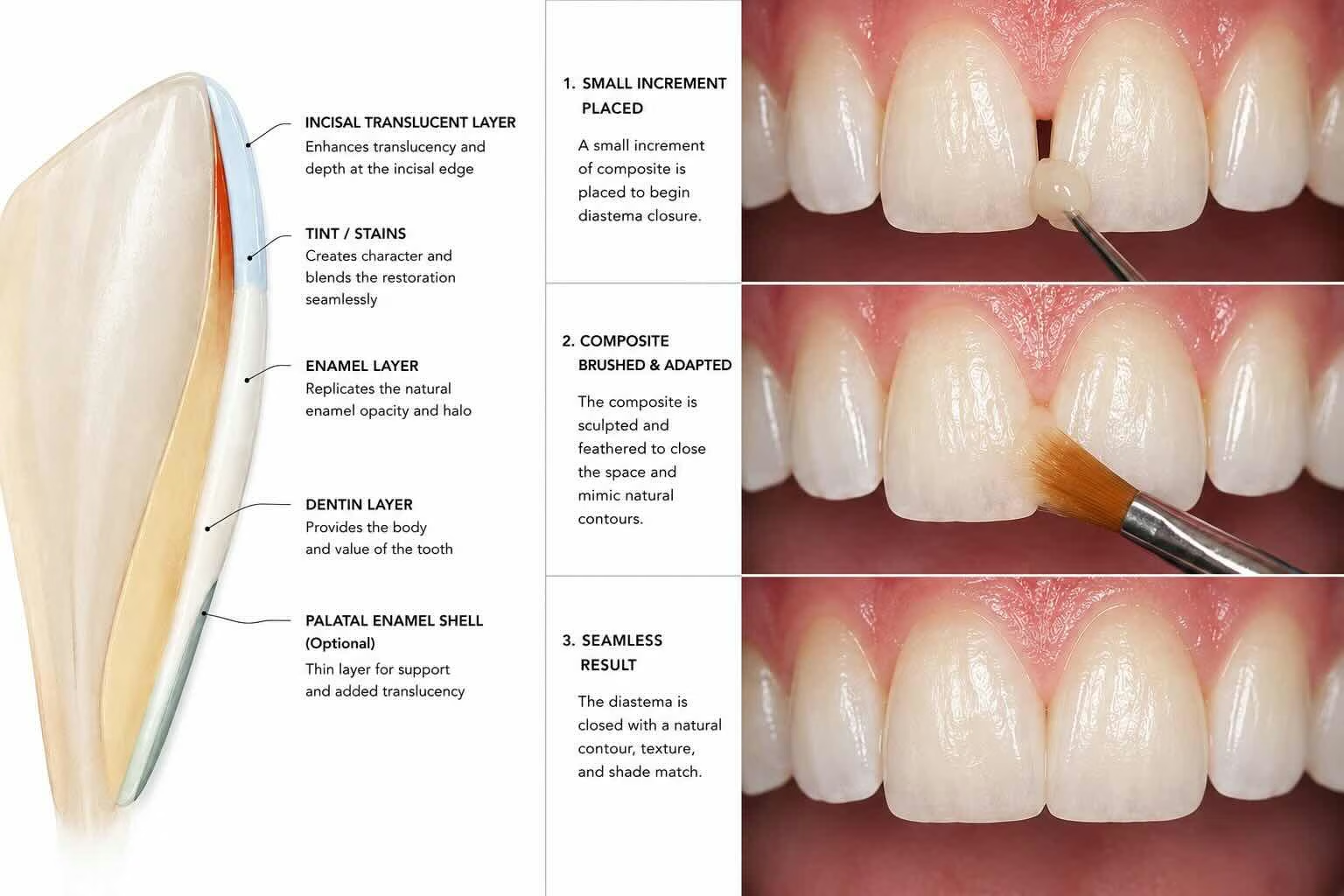
The restoration was then shaped and polished through a sequence of discs, pastes and felt wheels until it reflected light like the teeth beside it.
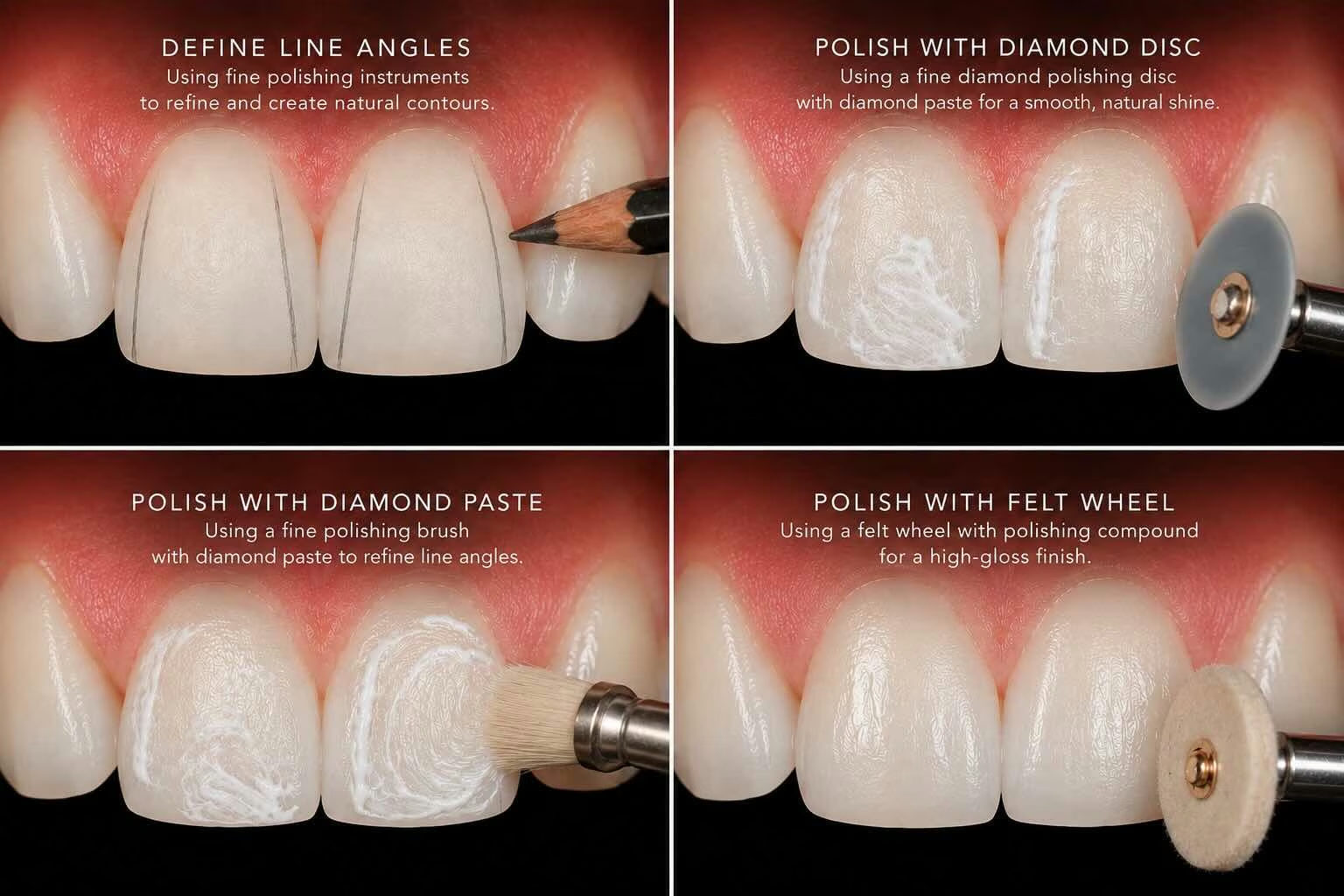
The space was closed in a single visit, with the natural character of the smile preserved — including the irregularities the patient asked to keep. No braces, and minimal to removal of healthy tooth structure.
Composite bonding is not permanent. It can chip or stain over the years, and when it does it can usually be repaired or repolished rather than replaced, which is one of its practical advantages over porcelain. A night guard, avoiding nail biting, and care with staining drinks all extend how long it holds its appearance.
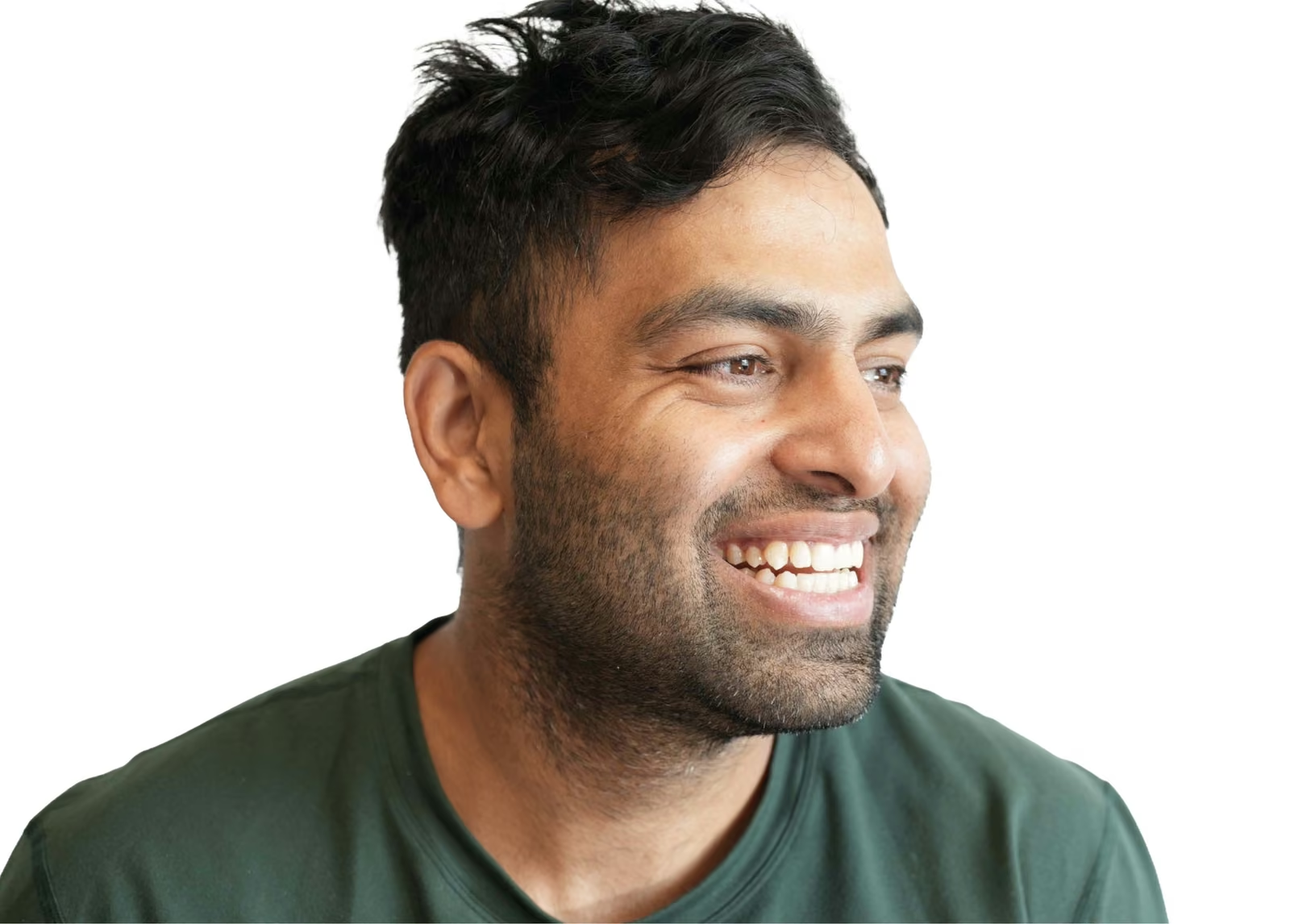
Individual results vary; what is achievable depends on the size of the gap, the shape of your teeth and your bite. Note this is not meant to provide individual specific dental or medical advice but documents a clinical case at Sunny Dental Centre.
Sunny Dental Centre is a general dental practice. Dr. Mandip Puri, DDS, is registered with the Royal College of Dental Surgeons of Ontario as a general practitioner, not a specialist.
Did it hurt?
Simple bonding of this kind is routinely done without freezing, and is most often reported as painless. Some people feel mild sensitivity after air abrasion and etching, which freezing resolves if needed.
Why not braces or veneers?
Both were possible. Orthodontics can take months to a year and, in this bite, risked creating new spaces. Veneers and crowns would have meant removing healthy enamel. Bonding did the job in one visit while adding to the teeth rather than cutting into them.
How long does it last?
Published follow-up studies of composite used for closing front tooth gaps report survival in the region of 90% at four years and high functional survival at five, with repairs counted rather than replacements. Habits such as grinding and smoking shorten that. The full case study goes into the evidence in detail.
What happens if the bonding breaks?
In many cases it would be simply re-restored. This depends upon the break. If there is recurrent fracture or chipping, it may be attributed to a different issue, which would first need to be assessed and treated first.
For more detailed information refer to the blog post which provides a step by step overview of this case at our Sunny Dental Centre Clinic.
Individual results vary. This case illustrates work completed at Sunny Dental Centre and is shared with written patient consent. What is achievable in your own case depends on your teeth, your bite and your goals. Sunny Dental Centre is a general dental practice; Dr. Mandip Puri, DDS, is registered with the Royal College of Dental Surgeons of Ontario as a general practitioner, not a specialist.
Every case is different. Book a consultation and we will tell you what is realistic for your teeth.
7 Riverview Drive, Guelph, Ontario, N1E 3R6,
Canada
Mon: 10:00am - 7:00 pm
Tu/W: 8:00am - 5:00 pm
Thur: 9:00am - 4:00 pm
Fri - Sat 9:00 am - 3:00 pm (alternating)